
For years, PPC success has been measured by one thing:
The click.
Click-through rate, cost per click, cost per acquisition. If someone clicked and converted, it was considered a win. But the reality today is that acquisition alone is no longer a growth strategy. Rising ad costs, heavier competition, privacy changes, and more informed consumers have reshaped digital marketing. Growth is no longer about how many people you can bring in. It’s about how many you can keep.
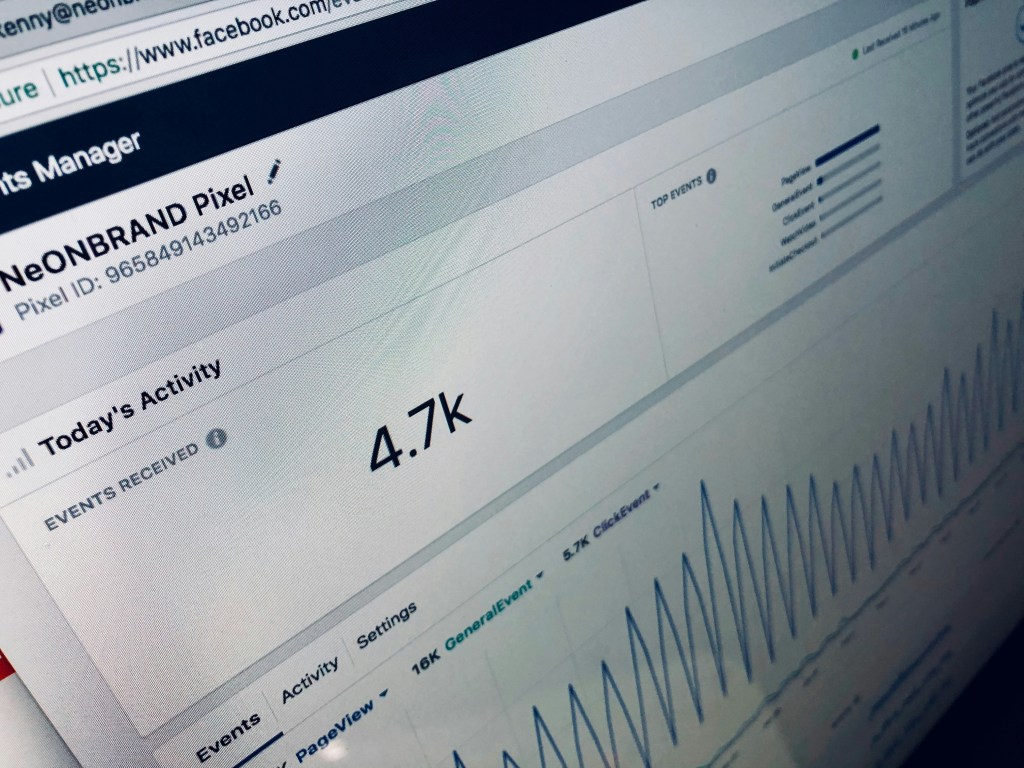
Point One: Traffic Is Easy, Quality Is Not
We can all drive traffic. Whether it’s Google, Bing, Meta, TikTok, or another platform, generating views and clicks is not the hard part anymore. Many businesses new to digital marketing say things like, “We launched TikTok videos and now we have thousands of views,” or “Our ads are getting great clicks.” That’s a starting point, but it’s not a strategy. Anyone can get users to a website. What matters is what happens after they arrive.
Point Two: Vanity Metrics Don’t Tell the Full Story
Clicks and impressions may look good in a report, but they rarely tell you if your marketing is actually working. The fundamental insights live deeper.
- What search terms are triggering your ads?
- Where are those ads appearing?
- Who are you truly targeting, and who are you accidentally paying for? Once users land on your site, are they leaving immediately?
- What does your bounce rate indicate?
- Are you attracting mostly new users, or are people coming back because they see value?
Point Three: Conversions Without Context Are Misleading
- Even conversions need context. Not all conversions are equal.
- Are the people converting the right customers for your business?
- Are they profitable?
- Are they returning, or are they one-time interactions?
A low cost per conversion doesn’t mean much if the customer never engages again. Paid media that focuses only on first-touch success often sacrifices long-term growth for short-term wins.
Point Four: Retention Starts With Paid Media
Retention is often treated as someone else’s responsibility, such as email marketing, CRM, or customer success. In reality, retention begins with paid media. The keywords you choose, the messaging you lead with, and the expectations you set before the click shape the entire relationship. Paid media doesn’t just drive traffic. It defines the first impression. If the ad promise doesn’t match the on-site experience, no follow-up campaign can fully fix that disconnect.
Point Five: Brand Is Not Optional
What does your brand actually do for people? Today’s consumers research before they buy. They read reviews, check social channels, and compare experiences. They expect clarity, consistency, and credibility. If your ads say one thing and your website says another, paid media doesn’t save you; it exposes the gap. PPC amplifies whatever already exists. When the brand experience is weak, that weakness becomes louder and more expensive.
Point Six: Marketing Is a Full-Circle System
Marketing doesn’t operate in silos. It’s a continuous loop. Traffic leads to experience. Experience builds or breaks trust. Trust drives conversion. Conversion enables retention. If any part of that cycle is ignored, money is wasted. Doing the bare minimum may generate activity, but it rarely generates sustainable growth.
Point Seven: The Role of the PPC Pro Has Evolved
The best PPC professionals are no longer just traffic drivers. They understand people, intent, quality, and lifetime value. They think beyond the click and focus on how paid media contributes to long-term business health. Retention doesn’t replace acquisition; it multiplies it. Marketers who embrace this mindset aren’t just running campaigns. They’re helping build businesses that last.
If you’re still measuring success at the conversion pixel, you’re playing yesterday’s game. Retention is the new acquisition, and the PPC professionals who understand that shift are the ones who will lead what comes next.

