
A Model and Marketer’s Perspective
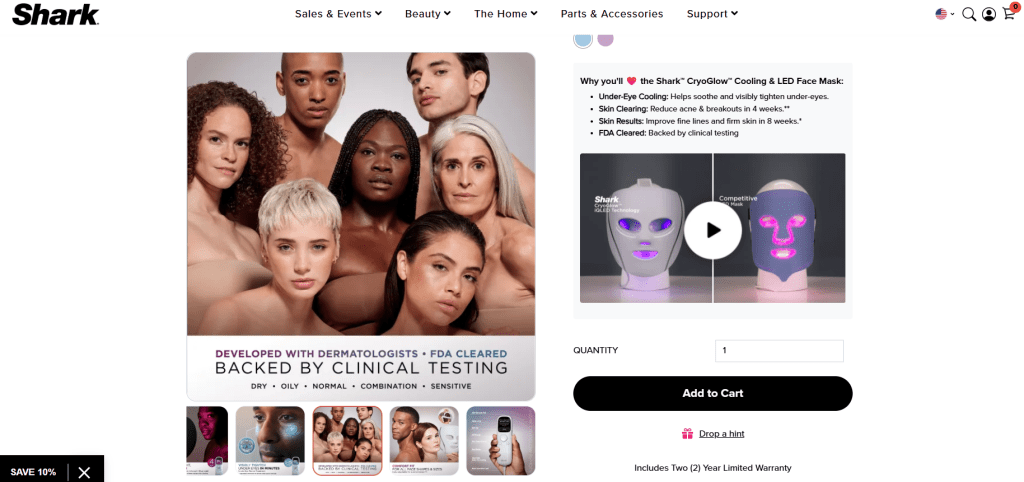

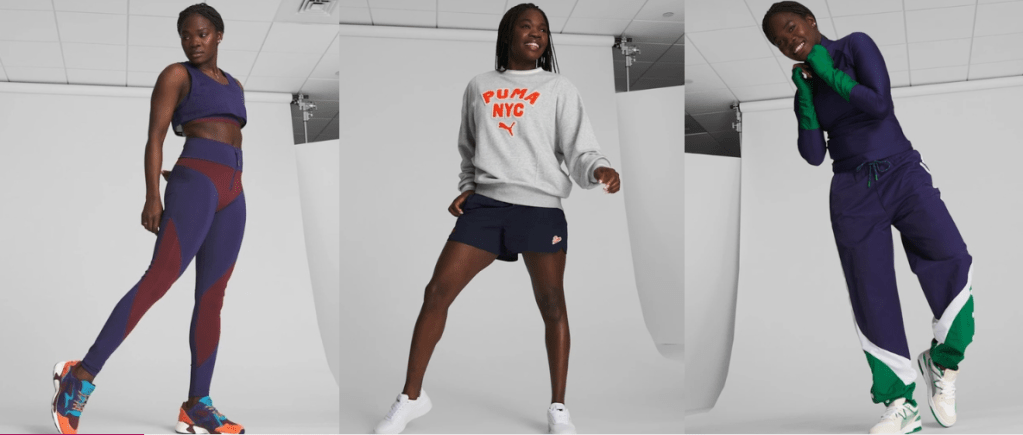
As someone who models and also works as a digital marketing account manager, I get a front-row seat to two worlds colliding in fascinating ways: the entertainment industry and the rapid rise of AI-generated content.
Lately, everyone’s talking about AI image creators and synthetic influencers — digital avatars who can walk runways, pose for campaigns, or even star in music videos without ever needing a coffee break. But what does this mean for real models, actors, and entertainers? And how is AI reshaping the way brands approach marketing in this space?
I get that hiring real models or actors can cost more, and some companies struggle to afford professional shoots or campaigns. But within those projects — the people behind the scenes, the creative energy, the real connections — you get something unique. Something AI just can’t replicate. It’s more than just an image. It’s a feeling, a story, and yes, it’s jobs for a lot of people.
The Rise of AI-Generated Influencers and Models
AI influencers like Lil Miquela have been around for a while, but the technology behind them is evolving fast. Brands love the idea of “digital talent” because they’re perfectly customizable, always available, and immune to scheduling headaches. For quick content turnaround or global campaigns, AI can be a dream.
From a marketing standpoint, these AI personas offer cost savings and speed — but what they don’t offer is authenticity. And that’s key.
Why Real Humans Still Matter
As a marketer, I know that brands need to connect with audiences. AI can generate flawless images, but it can’t replicate the unique stories, emotions, and charisma that real people bring to a campaign.
That’s the magic of human talent. The nuances, imperfections, and genuine energy you bring — whether on a photoshoot or in front of a camera — make the difference between forgettable content and something memorable.
Working with AI, Not Against It
The best talent in this new era won’t try to compete with AI but will learn to use it as a tool. Models and entertainers can leverage AI for mood boards, virtual try-ons, or even to enhance their portfolios — blending technology with their natural skills.
Ethical Questions and the Future
There are also important ethical questions we’re only beginning to face: consent, deepfakes, representation, and the impact on diversity in the industry. It’s crucial that as AI becomes more prevalent, real voices and faces continue to be valued and protected.
Final Thoughts
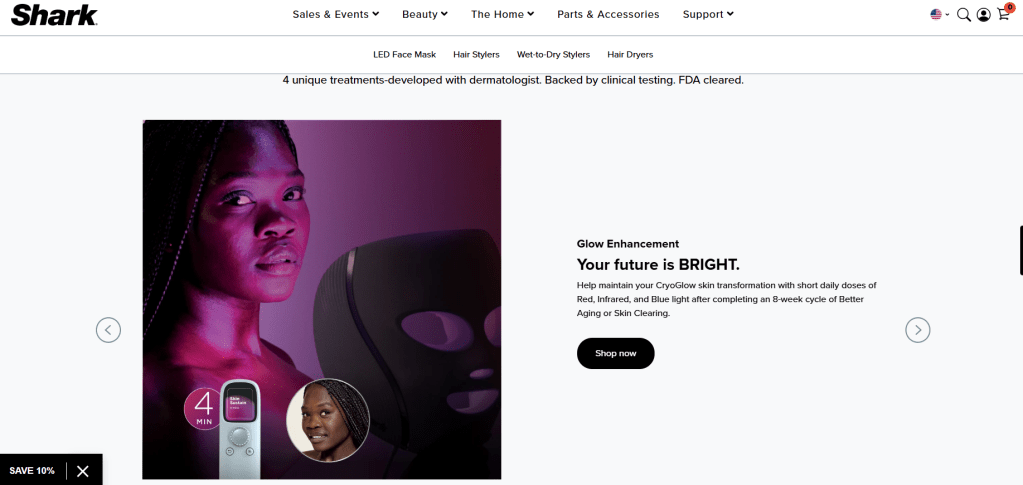
AI is reshaping the entertainment industry, but it’s not the end for real models and performers. It may be tempting to cut costs by leaning on AI, but the creativity, heart, and humanity in projects come from the people behind them. For me, being both a model and a marketer means I get to see the full picture — from campaign strategy to the final shot.
In this new world, I’m excited to carve out a space where human talent and AI tools coexist — powering creativity, connection, and business growth, while preserving the real stories and jobs that matter.

