
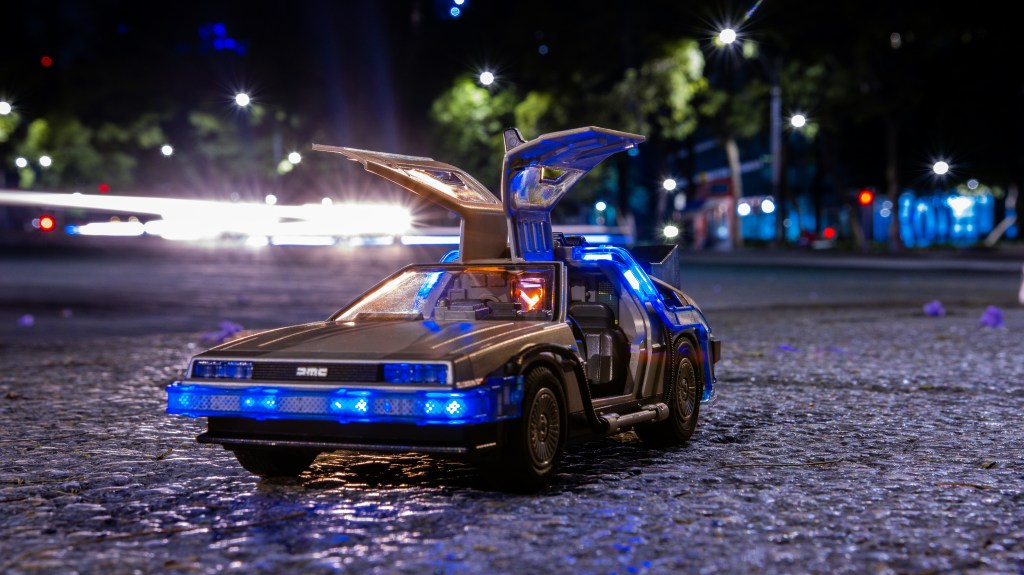
Let’s talk AI. Yes, it’s the buzzword of the year (decade?), and yes, it’s actually kind of awesome. The tools we have access to now? Insane. From writing ad copy drafts to pulling quick insights from data? Beautiful. Honestly, it’s like we’ve all been handed a DeLorean with a flux capacitor—we just punched in 88 MPH and zoomed into the future of marketing.
But here’s the thing Doc forgot to mention on the way to 2025: AI isn’t supposed to drive the car. It’s just helping us navigate.
I’ve heard it plenty:
“Are you using AI for your campaigns now?”
Of course I am. But I’m not handing over the keys.
Because here’s what doesn’t change—no matter how smart the tools get, no matter how many platforms promise full automation—marketing still needs humans. Actual, curious, emotionally intelligent humans who know what makes people click (and what makes people actually care). Whether we’re talking Google Ads, Bing, or social media, your numbers, your strategy, your voice—they still need that human magic.
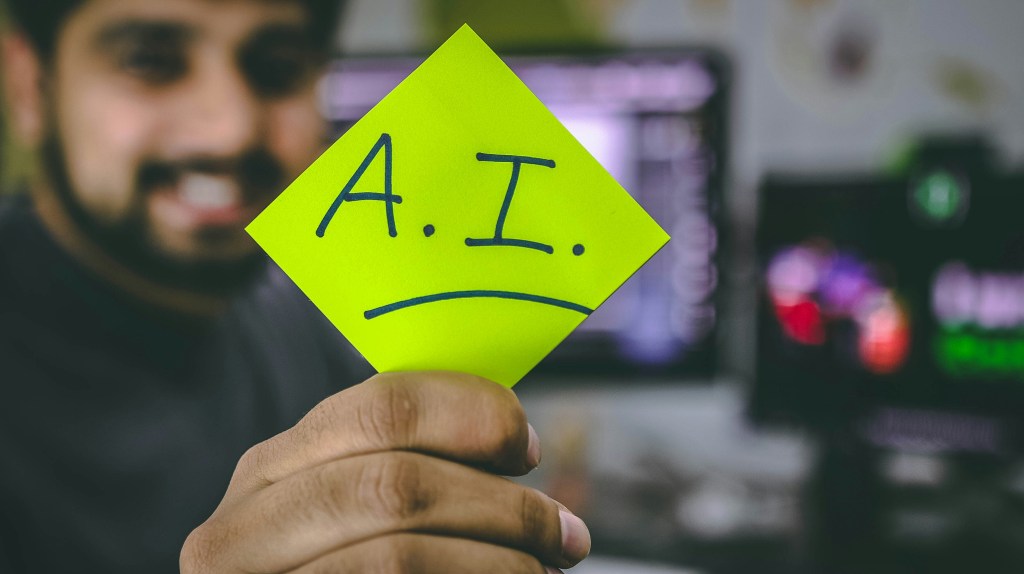
If we let AI run everything, guess what happens? Our ads start to sound the same. Like they were spit out of the same algorithm (because they were). Personality disappears. Messaging flattens. And you’re left with campaigns that technically “work” but don’t resonate.
Remember how Biff tried to cheat the system with the sports almanac from the future? Yeah… he got rich for a hot second. But it all fell apart because he didn’t understand the real game. Same goes here. AI might give you a shortcut, but without the human touch, you’re just running plays from someone else’s playbook—and that doesn’t build brand loyalty or long-term success.
So yes—I use AI.
To save time.
To get better ideas flowing.
To be more efficient.
But not to replace the magic. Not to replace the me (or you!) in the work.
Because the future of marketing? It’s not AI versus humans.
It’s AI with humans—driving better, smarter, more authentic campaigns.
Just make sure you’re still the one behind the wheel.

